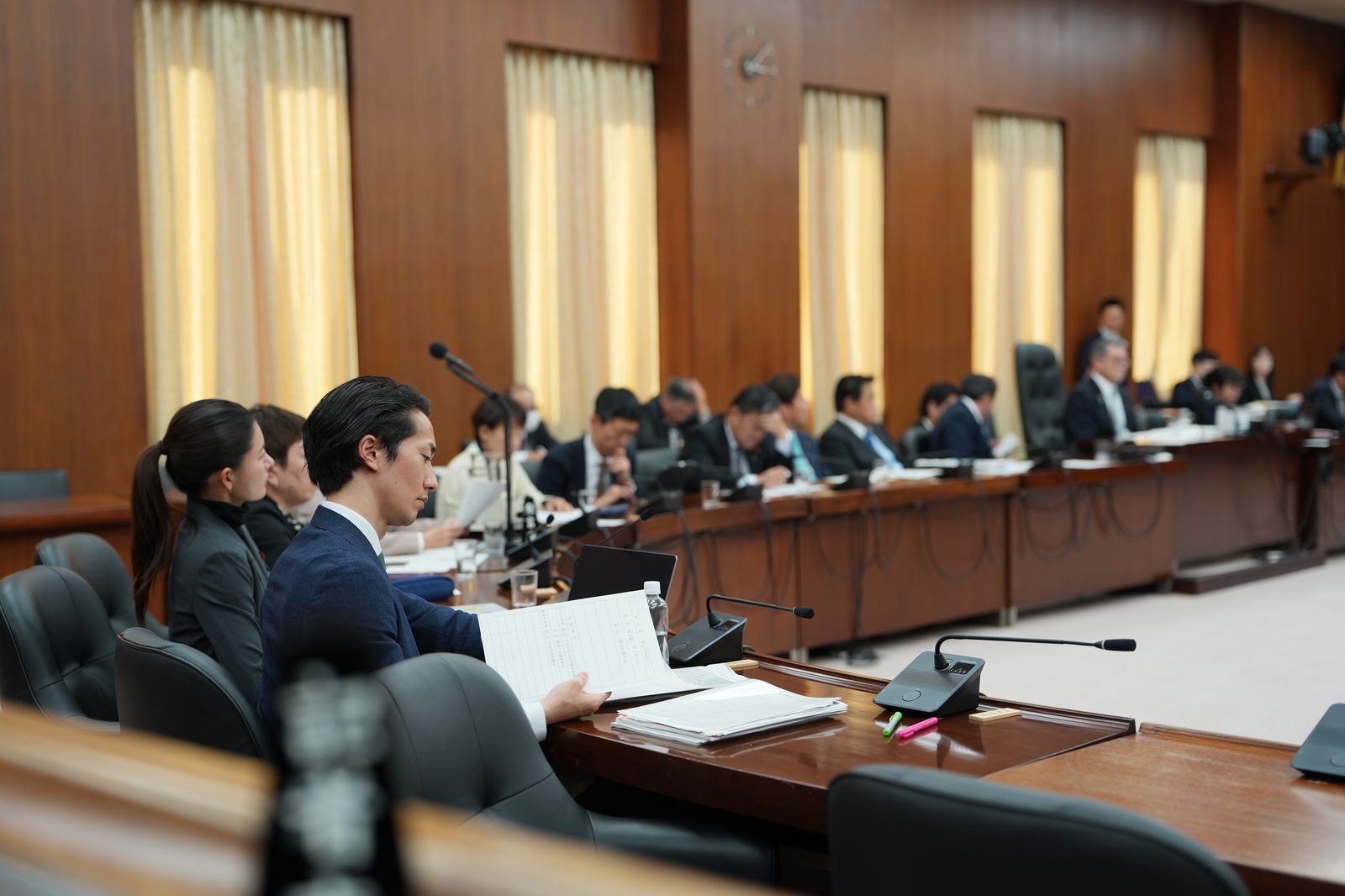
My work focuses on three questions: how communities can sustain essential services as their populations shrink, how they can preserve the cultures that make them unique, and how citizens can have a greater say in shaping their future.
I spent six years getting autonomous buses onto the roads of a small island in the Seto Inland Sea before I ever sat in a committee room. That order matters: I know what it takes to turn a demonstration into a service a town can depend on, and how often the obstacle is a rule rather than the technology.
One pillar keeps a place functioning. One makes it worth being in. One is about how both get decided.
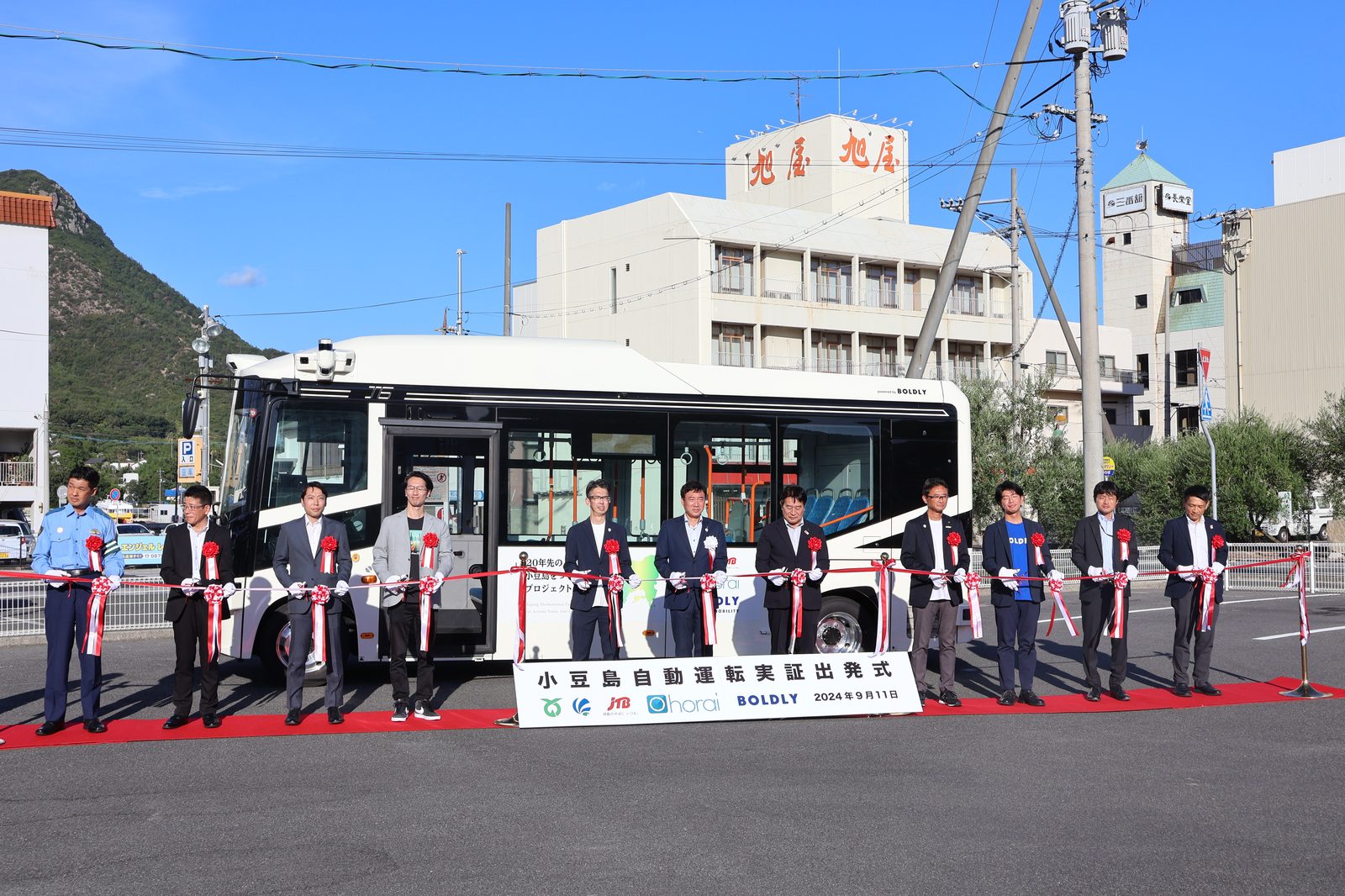
Japan is one of the first major countries to face the full challenges of an ageing and shrinking population. What we get right or wrong here could offer important lessons to other countries in the decades ahead. In 2025, 435,000 people gave up their driving licences, six in ten of them over 75. Bus and taxi operators cannot find drivers to replace the ones retiring, and about 2,500 kilometres of bus route were withdrawn in the 2023 financial year alone.
We cannot rely on recruiting more drivers alone. We also need technology that enables smaller teams to sustain essential transport services. From 2018 I was based on Shodoshima, an island in the Seto Inland Sea, and it took six years to get an autonomous bus onto its roads. Five of my first nine committee questioning sessions focused on autonomous transport, including self-driving vehicles and autonomous ships; on the maritime side I pressed the government into saying, for the first time, that investment in automated vessel operation should be reflected in freight rates.
The head of the island's women's association told me she was more frightened of the island disappearing than of a self-driving bus crashing. Used well, technology keeps a place alive.
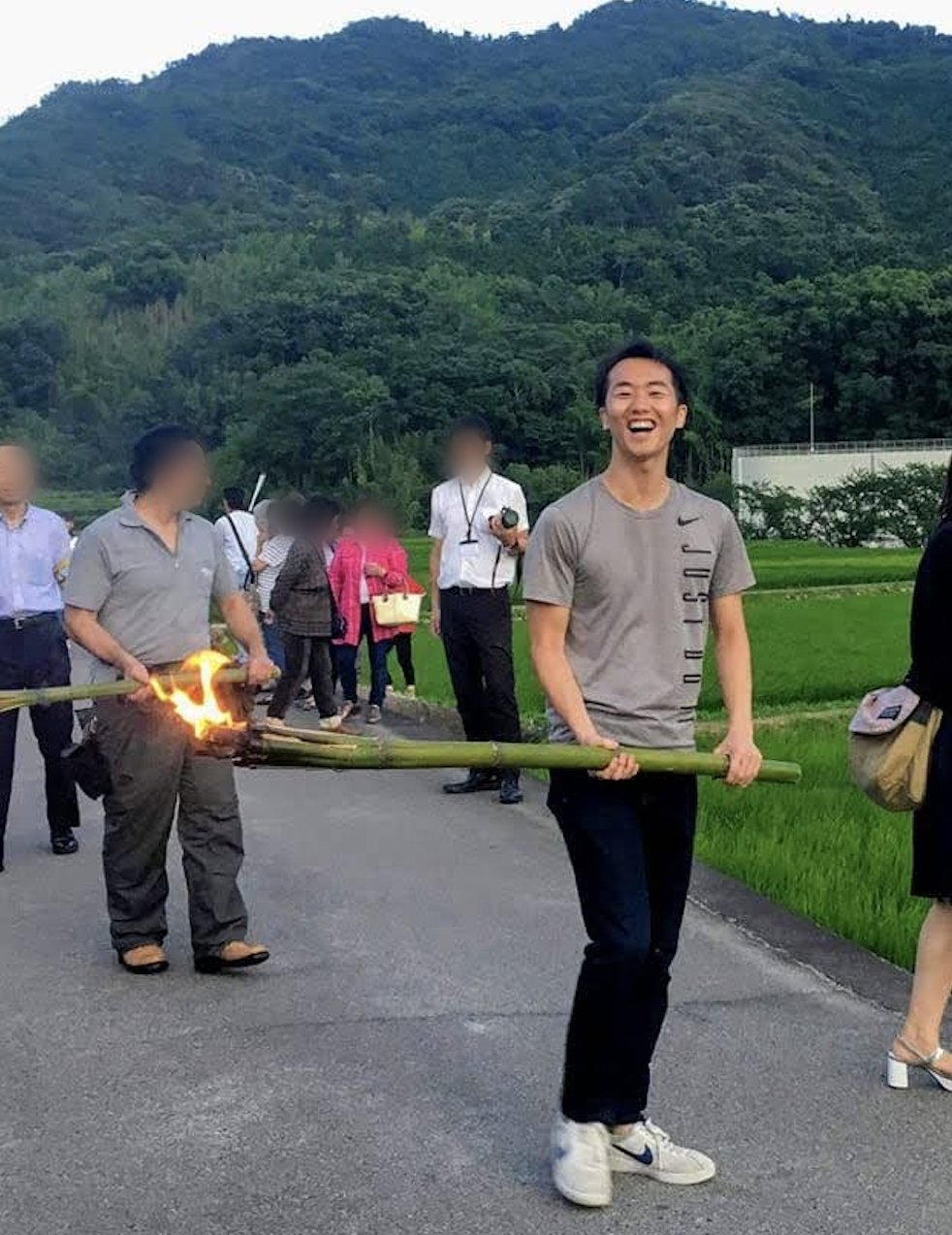
As AI changes the nature of work, we need to think more deeply about what makes life meaningful. Culture is an essential part of that answer. And culture is rooted in particular places, communities and histories. Each region is still making a culture that exists nowhere else, and that is a resource which cannot be manufactured anywhere else.
Before entering politics, I worked on digital systems supporting the Setouchi Triennale, a contemporary art festival held across the islands of the Seto Inland Sea. I worked with the Toyooka Theatre Festival, using app and tag data to find which buses its audiences actually took, and with RENEW in Echizen, where workshops open their doors and visitors watch things being made. All three support local economies while sustaining cultural activity and the communities behind it.
A region that empties out does not only lose its people. It loses a way of making things, of seeing them, of enjoying the world, that existed nowhere else and that no policy will bring back.
In Myanmar I studied alongside students who could not read freely about the politics of their own country. I came home to a democracy where people of my own generation felt that politics had little to do with them. At the 2014 general election, turnout among people in their twenties was 33 per cent, against 53 per cent overall. Part of the reason is that it is hard to see your own view making any difference to what gets decided.
AI changes what is possible here. It can take in what a large number of people say and show what is in it, without reducing everything to a few lines. For the 2025 upper house election, Team Mirai published its platform as an open repository that anyone could propose changes to; the current platform site gathers questions and comments through an AI interface instead. Some of my parliamentary questions have been informed by AI-led interviews with people working in the industries affected by the policies under discussion.
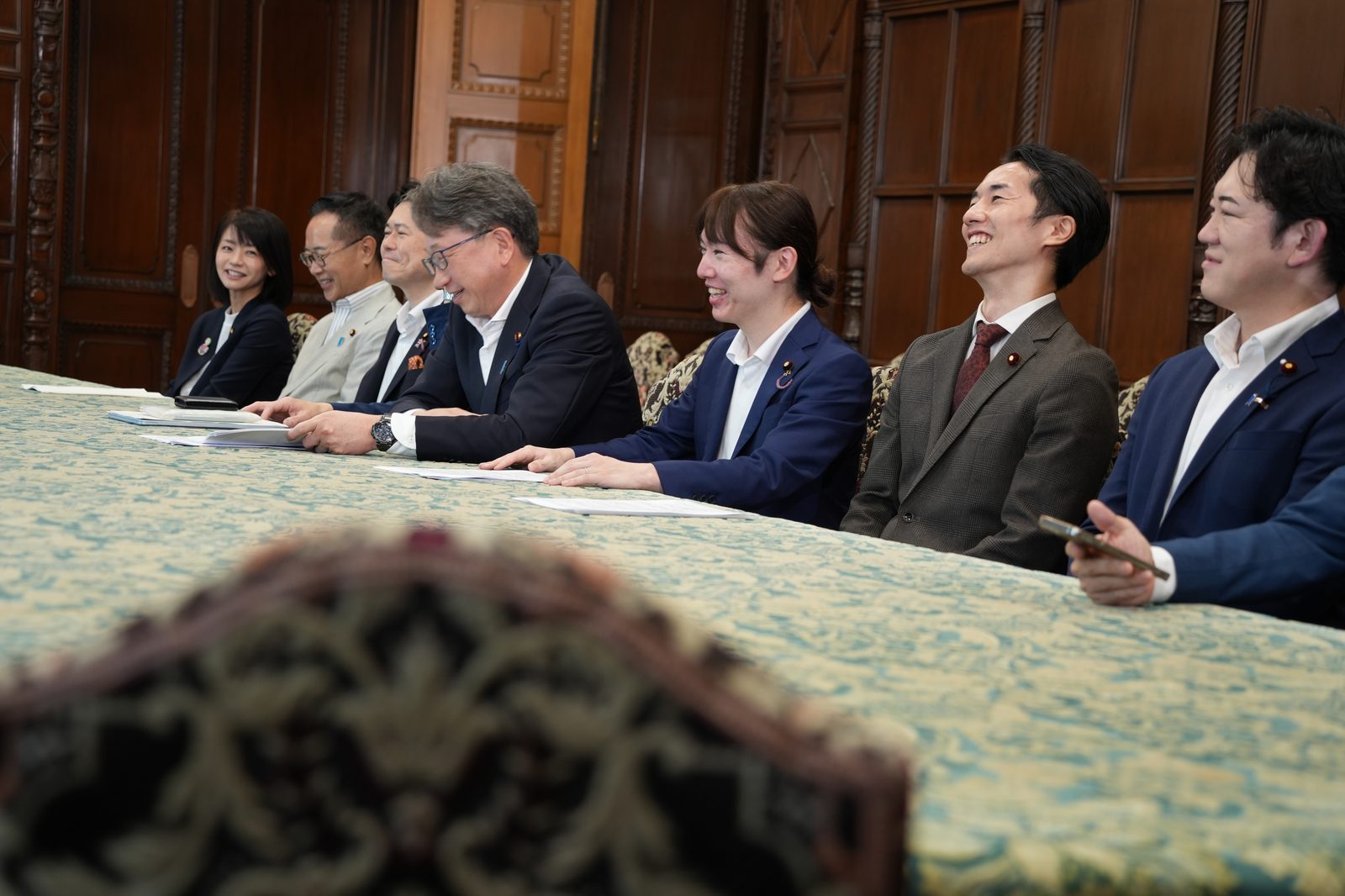
In October 2025 I set up a cross-party study group on AI and democracy, with Audrey Tang as our first guest. The joint proposal on strengthening the legislature came out of it, agreed by seven parties in July 2026 and handed to the Speaker of the House of Representatives and the President of the House of Councillors.
Questions I have put to ministers and officials at the Committee on Land, Infrastructure, Transport and Tourism and the Special Committee on Disaster Countermeasures. Full transcripts are available in Japanese. Readers may find browser translation tools helpful.
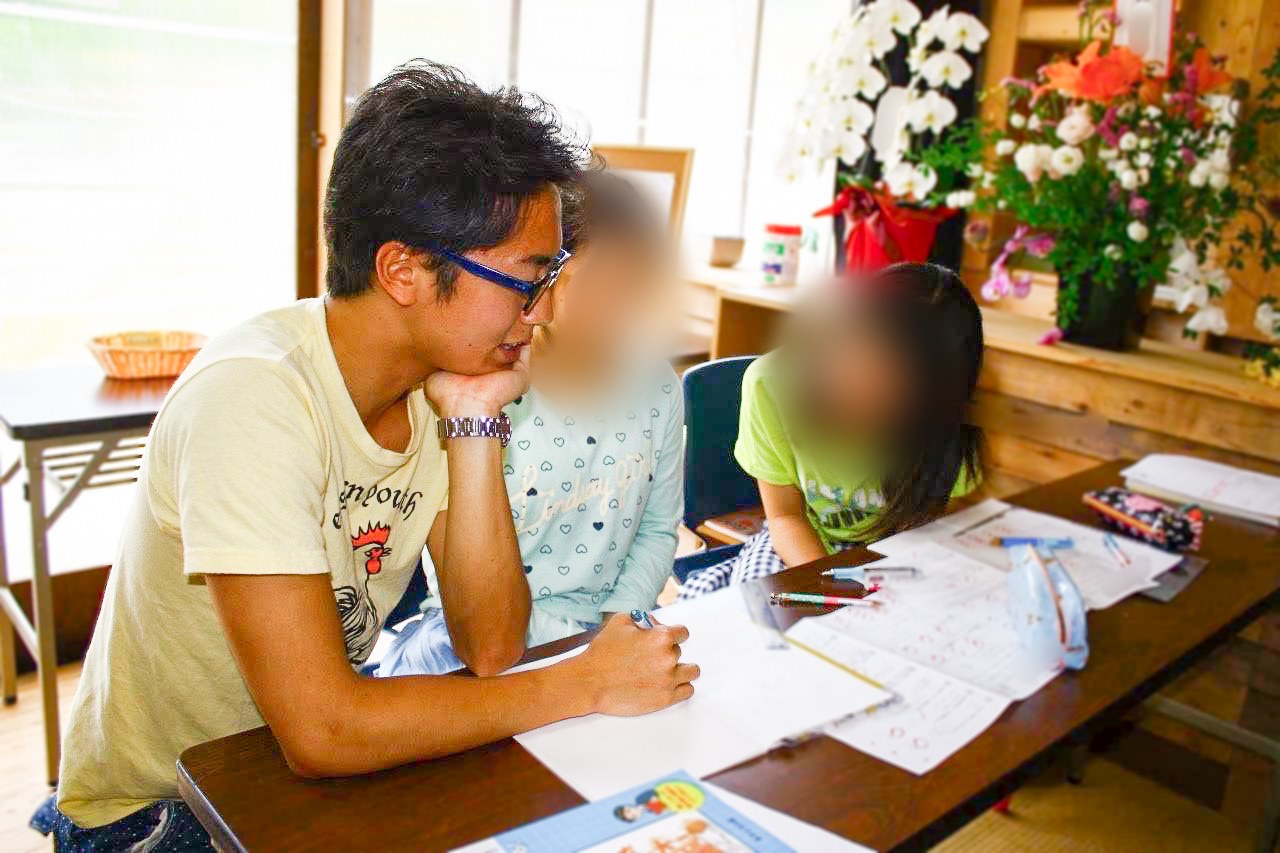
At the end of my first year at university the Tohoku earthquake struck. I kept going back over the years that followed, clearing mud from a cannery in Ishinomaki and helping children with their schoolwork in Minamisanriku. What people said to me there, over and over, was that the television crews had stopped coming and the problem had not gone away.
I read cultural anthropology and science and technology studies at the University of Tokyo.
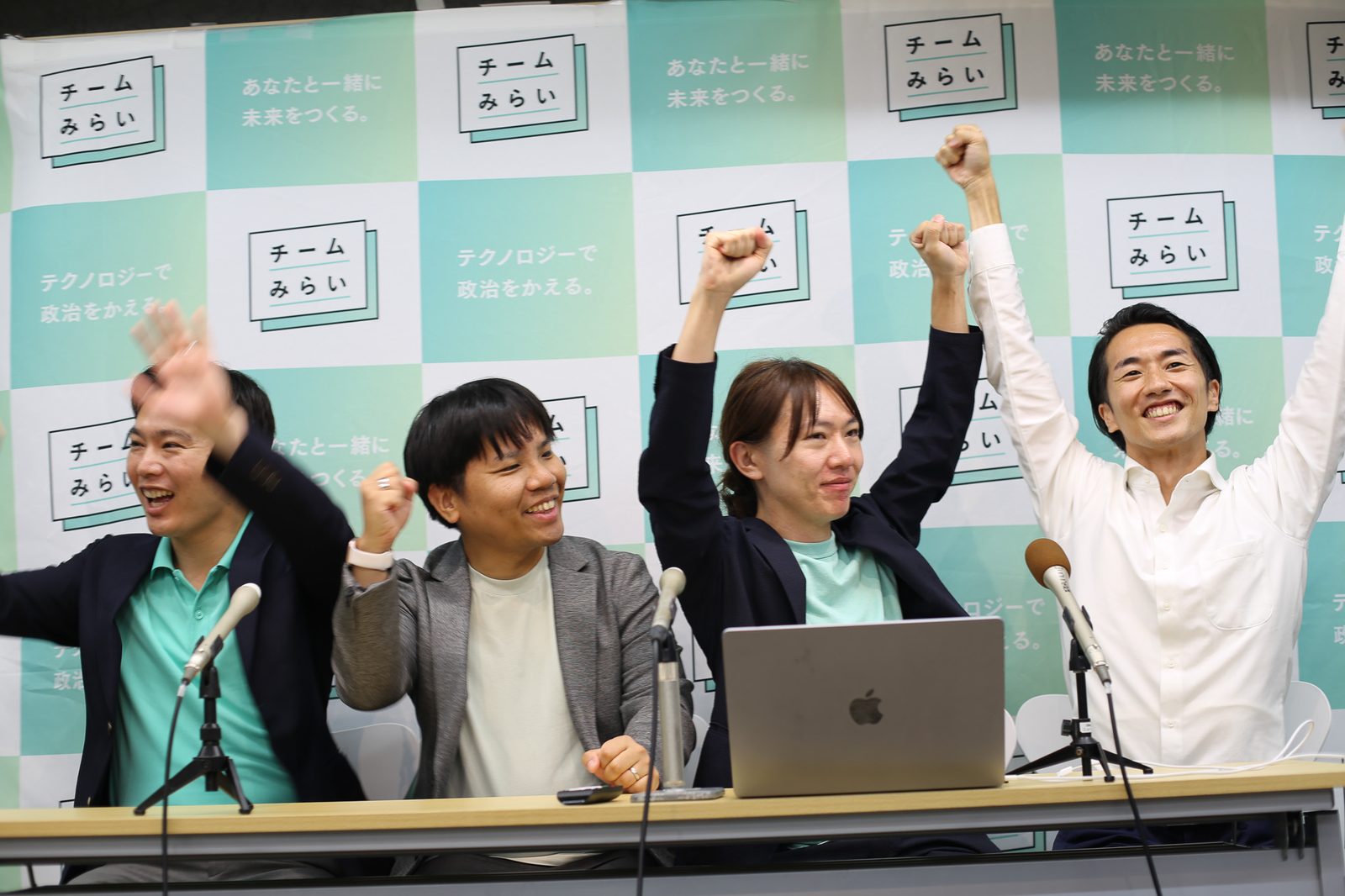
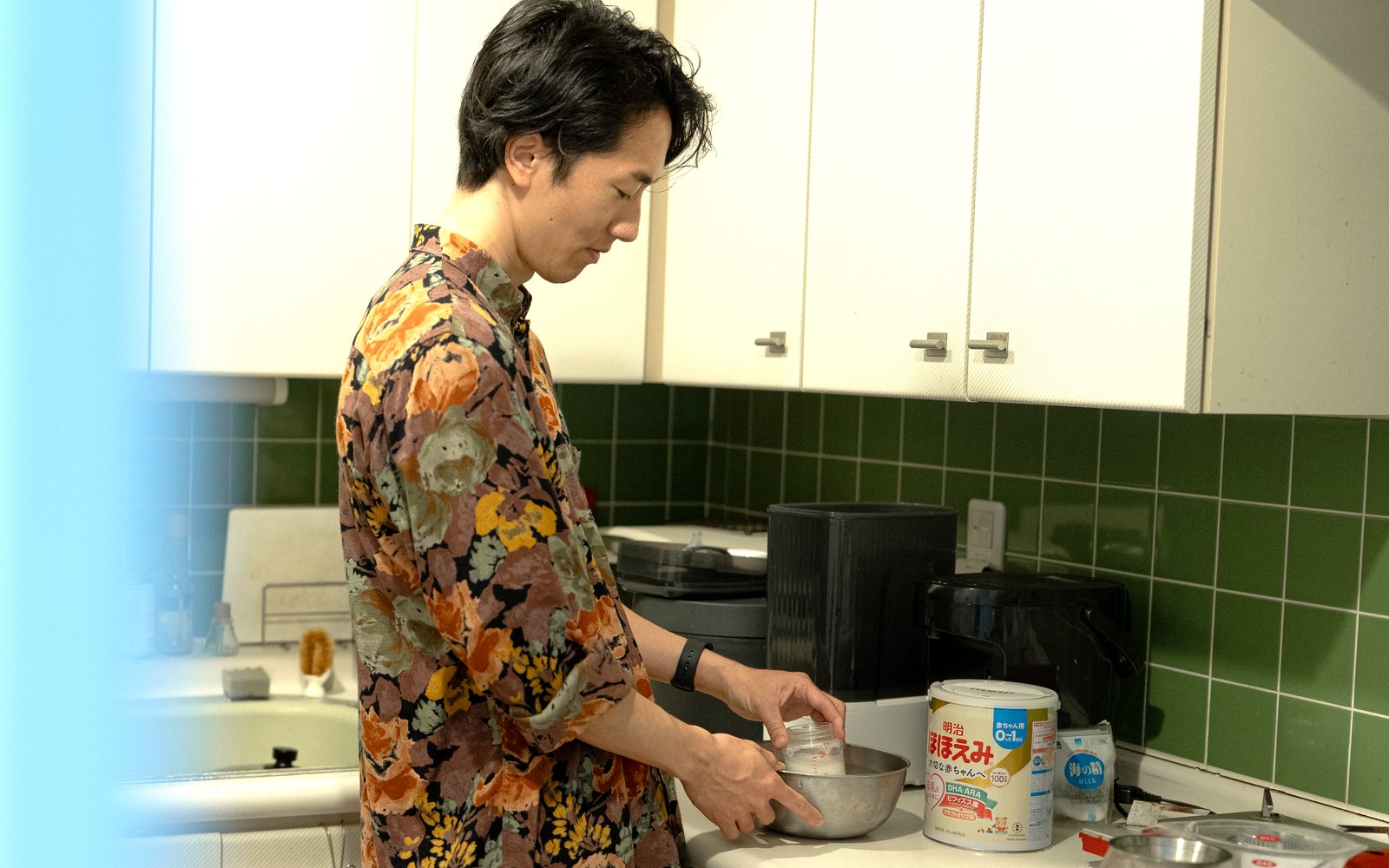
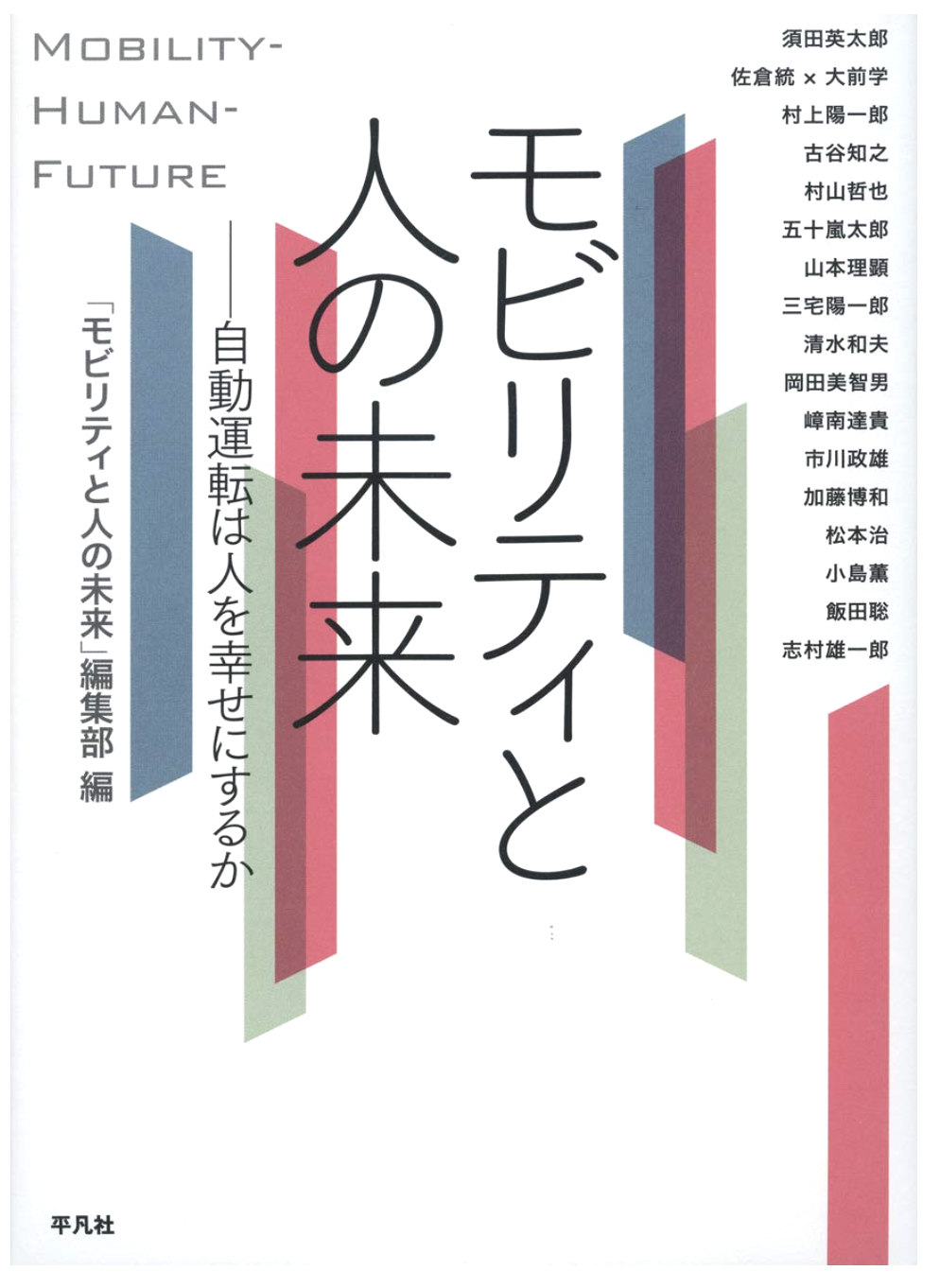
Before entering politics, I served as editor-in-chief of a specialist publication examining the policy and social implications of autonomous driving.
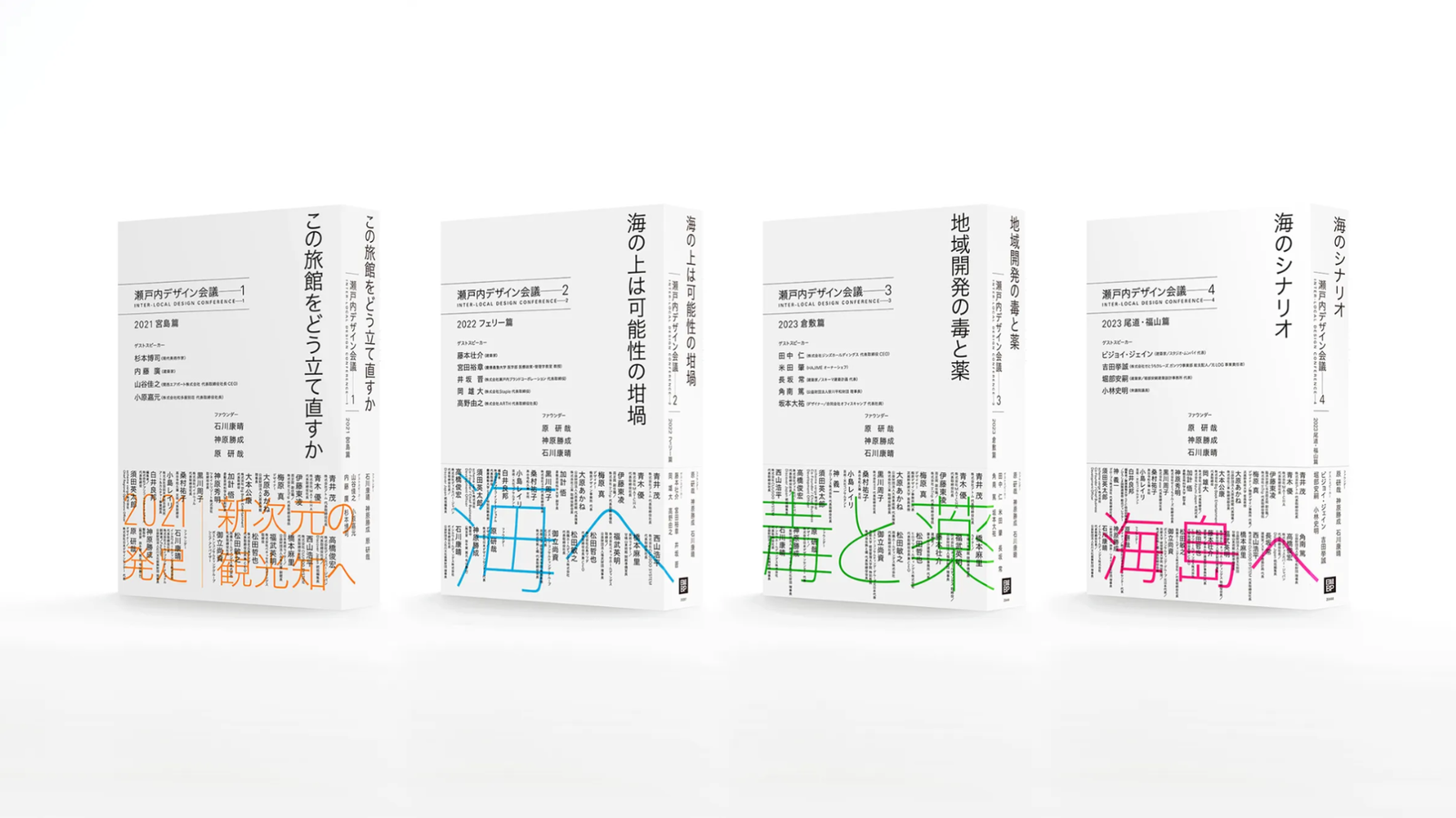
I welcome enquiries from journalists, conference organisers, fellow legislators, government officials, researchers and businesses working on these issues. I am particularly interested in exchanging views on Japan’s regulatory landscape, the challenges of implementing new technologies, and how public policy can support innovation. I also welcome opportunities to meet with international visitors while they are in Tokyo.
The form below is labelled in Japanese; messages in English are welcome. I am not always able to reply to every enquiry individually.
Open the contact form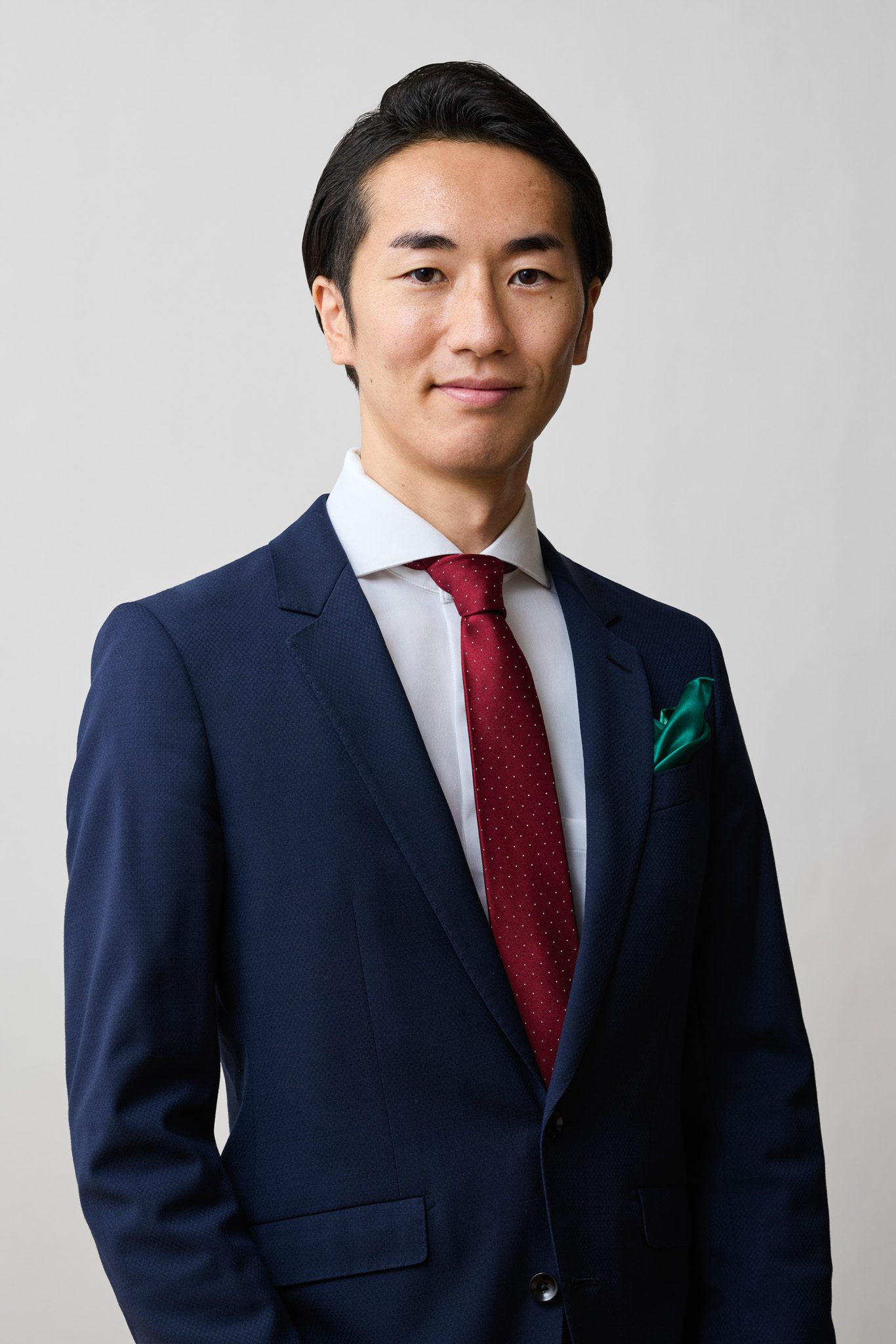
Eitaro Suda is a member of Japan's House of Representatives, elected in 2026 for Team Mirai, a party that uses AI and open-source tools to widen public participation in policy-making. He works on transport and infrastructure in a depopulating Japan, on culture as regional policy, and on digital democracy. He previously co-founded an urban-technology company that spent six years getting autonomous buses running on a rural island.